Are you struggling to figure out how to make a video presentation? Let’s talk honestly! You don’t get stuck because you can’t record a video. You get stuck because you are unsure what to say, how detailed to be, or whether anyone will even watch it till the end. In other words, chasing perfection usually makes things harder. However, clarity matters more.
If someone watches your video once and gets the idea without rewinding, you’ve already succeeded. This guide explains every critical aspect of making a video presentation while keeping things practical and simple.
What is a Video Presentation?
A video presentation is a single video that combines visuals and audio to explain an idea, share information, or walk someone through a concept. Those visuals might be slides, screen recordings, images, short clips, or animations. The audio usually comes from a voiceover, on-camera narration, or light background sound.
Instead of presenting live, everything is packaged into one video that people can watch anytime. This makes it easier to share, revisit, and understand, especially when the topic involves steps, demonstrations, or storytelling.
Compared to static slides, video presentations feel more engaging because viewers can both see and hear the explanation unfold, which helps ideas land more clearly.
Need narration? Follow this step-by-step guide to record a PowerPoint with audio and create a complete, voice-led presentation.
Why Video Presentations Work So Well?
Before beginning to learn how to make a presentation video, you must first understand that video presentations work because they fit into how people actually consume content now. Watching and listening feels easier than reading long text or flipping through static slides.
-
They Keep Attention Longer
When visuals and voice work together, it’s easier for people to stay focused. Even small movements on screen help prevent attention from drifting.
-
They Help Explain Tricky Ideas
Videos let you explain things naturally, almost the way you would in a one-on-one conversation. This makes even the complex message or information easier to trust and understand.
-
They Give Viewers Control
People can pause, rewind, or skip parts based on what they need. That flexibility works well for different learning speeds and busy schedules.
-
They Feel More Human
Hearing a real voice or seeing a face makes the content feel less formal. It doesn’t feel like reading a document. It feels like someone explaining something to you.
-
They Help People Remember More
When people both see and hear information, it sticks better. This is especially useful for training or onboarding content.
-
They Work Almost Anywhere
From classrooms to remote teams to product demos, video presentations adapt easily without changing the core idea.
-
They Bring Your Brand’s Voice and Values to Life
With video, your brand doesn’t feel faceless. You can share your values, tone, and personality in a way that feels real, which naturally builds stronger brand awareness.
What are the Most Common Types of Video Presentations?
There’s no single format that works for every situation. The right type depends on what you are trying to explain and who you are talking to.
-
Live Video Presentations
These happen in real time, usually during meetings, live YouTube sessions, or webinars. They allow interaction but leave little room for mistakes since nothing can be edited, such as during product launches and Q&A sessions.
-
Pre-Recorded Presentations
These are recorded once and shared later. They work well for lessons, updates, and explanations that people might revisit. Examples include training videos and product presentations.
-
Animated Video Presentations
Animations are useful when ideas are abstract or when visual storytelling helps make things clearer. It can be used to tell the story of a brand or organization.
-
Screencast Presentations
Here, you record your screen while talking through a process. This format is common for tutorials and software walkthroughs.
-
Interactive Video Presentations
These include quizzes, clickable elements, or prompts. They are often used in learning environments.
-
Slide-Based Video Presentations
In these types of presentations, slides appear on screen while you explain them. This is one of the most common and comfortable formats for most purposes and types of audiences.
-
Vlog-Style Presentations
These focus on speaking directly to the camera. They feel informal and work well when connection matters more than visuals. It is a common format used by influencers to promote a certain product or service.
-
Product-Focused Videos
They show how a product works and why it’s useful, usually with real examples and demonstrations. This format is ideal for consumer help and guidance.
What Do You Need to Make a Video Presentation?
Mostly, whenever you start thinking about how to make a presentation video, your first concern is the equipment. The good news? You don’t need a studio or expensive equipment. Most good video presentations are made with simple tools that do their job well. Here’s a complete list for your ready reference:
Hardware
- Computer: Any laptop or desktop that runs smoothly is fine. If it doesn’t freeze while recording, it’s enough.
- Microphone: Clear audio matters more than sharp video. Even a basic external microphone can noticeably improve quality.
- Camera: A built-in webcam works perfectly fine. Good lighting and framing usually matter more than camera specs.
If you prefer browser-based tools, learn how to record a presentation on Google Slides with clear audio and smooth playback.
Software
Tools for Creating Slides
- SlidesAI: SlidesAI is an AI-powered presentation tool that turns text, documents, or scripts into polished slides in just a few clicks, cutting down hours of manual design work.
- Microsoft PowerPoint: PowerPoint is a long-standing presentation tool that gives you more control over layouts, charts, animations, and transitions. It’s often the go-to choice for structured, data-heavy, or formal presentations.
Want a faster workflow? Learn how to make a video from PowerPoint using simple tools that turn your slides into a shareable presentation video.
- Google Slides: Google Slides is a free, browser-based option that works well for teams. Multiple people can edit at the same time, and sharing or accessing files from anywhere is simple.
If you use Google Slides, this guide shows you how to turn Google Slides into a video without complex editing or extra software.
Screen or Video Recording Software
- Loom: Loom makes it easy to record your screen, your webcam, or both at the same time. Once you are done, it instantly creates a shareable link, which is why it’s popular for quick tutorials, walkthroughs, and internal training videos.
- OBS Studio: OBS is a free, open-source tool that gives you more control over how your video and audio are recorded. It’s often used when you need higher-quality recordings, multiple inputs, or custom audio setups, especially for longer presentations or live sessions.
Video Editing Software
- iMovie/Windows Video Editor/Clipchamp: These editors are beginner-friendly and cover the basics well. You can trim mistakes, add text or captions, and apply simple transitions without needing any technical skills.
- Adobe Premiere Pro/ Final Cut Pro/DaVinci Resolve: These tools are built for more advanced editing. They are useful when you need better control over visuals, sound quality, color correction, or layered edits, which is common for marketing, training, or high-quality presentation videos.
Speed up your workflow with an AI PowerPoint maker that turns your ideas into presentation-ready slides in minutes.
Optional AI Video Tools
- Synthesia/Pictory: These platforms let you create video presentations without recording yourself. You write a script, and the tool generates a video using AI avatars and voiceovers. It can be helpful if you are camera-shy or short on time.
Short on time? Use AI presentation makers that help you design slides and visuals in minutes.
How to Make a Video Presentation (Step by Step)
Before recording anything, it helps to slow down and think through the flow. Rushing into recording often leads to confusion later.
Step 1: Be Clear About Your Goal
Decide what you want the viewer to understand or do after watching. Everything else should support that outcome.
Checkout SlidesAI Video Presentation Template for PowerPoint and Google Slides to create engaging and professional presentations with ease
Step 2: Choose a Format That Fits
Decide whether you need slides, a screen recording, or just the camera. Pick what explains the message best, not what looks impressive.
Step 3: Prepare Visuals That Support Your Message
Slides or visuals should highlight key points, not repeat everything you say.
Step 4: Outline Your Talking Points
Write short notes instead of a full script. This keeps your delivery natural and less robotic.
Step 5: Record in a Quiet Space
Background noise is distracting. A calm environment makes the video easier to follow.
Step 6: Edit With Restraint
Trim long pauses and obvious mistakes, but don’t over-edit. Small imperfections make the video feel human.
Step 7: Review Before Sharing
Watch the full video once. If the message feels clear and easy to follow, it’s ready.
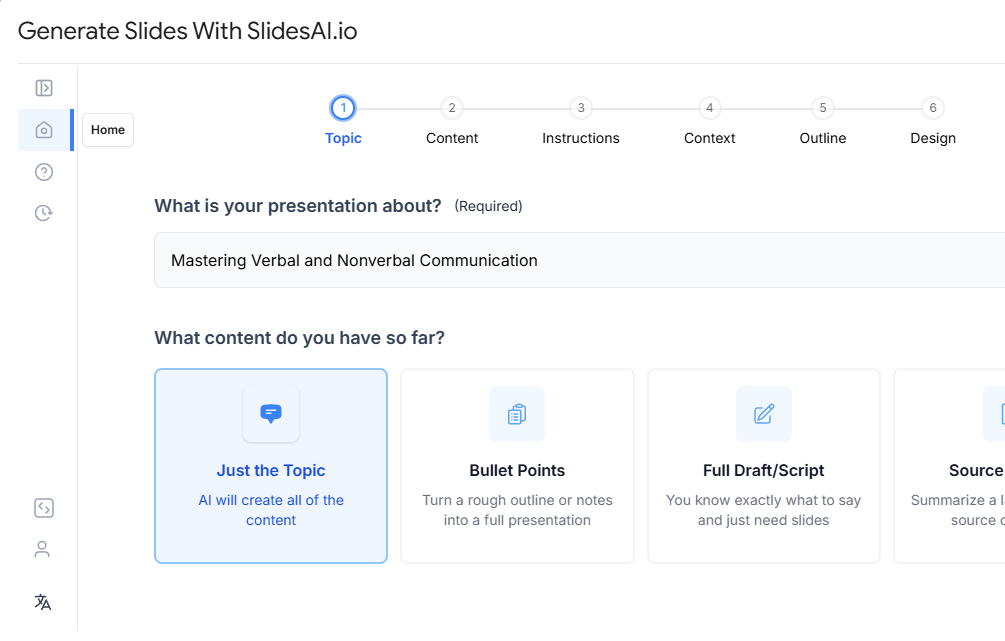
Create AI presentations directly in Google Slides.
- No design skills required
- 3 presentations/month free
- Save directly in Google Slides
Simple Ways to Make Your Video Better
You don’t need fancy edits or a perfect setup to improve a video presentation. Small, thoughtful choices usually make a bigger difference than expensive tools. These tips focus on clarity, comfort, and keeping the viewer with you till the end.
-
Start by Clearly Stating What the Video is About
At the beginning, tell viewers what they are about to learn and why it matters. This helps them decide to stay and gives them a mental roadmap of what’s coming.
-
Keep Slides Visually Clean and Uncluttered
Slides work best when they support your voice, not compete with it. Too much text or too many visuals can distract viewers instead of helping them understand.
-
Speak Naturally Instead of Reading Text
Reading straight from slides or a script often sounds stiff. Use bullet-point notes and explain ideas in your own words, the same way you would in a real conversation.
-
Explain Things as if You are Talking to One Person
Imagine explaining the topic to a colleague or friend while making a video presentation. This way, you can keep your tone warmer and avoid sounding like a lecture or formal presentation.
-
Use Visuals Only When They Add Clarity
Charts, screenshots, or examples should make ideas easier to grasp. If a visual doesn’t add value or explanation, it’s okay to leave it out.
Strong visuals matter, and this guide shows how to create visuals that support your message without overwhelming your slides.
-
Add Context When Sharing Numbers or Data
Instead of just showing figures, explain what they mean and why they matter. A quick comparison or short explanation helps viewers understand the bigger picture.
-
Avoid Packing Too Much Into One Slide or Section
Trying to cover everything at once can overwhelm the viewer. It’s better to slow down and break ideas into smaller, easier-to-follow parts.
-
End With a Clear Takeaway or Next Step
Don’t let the video fade out without direction. Summarize the key idea or tell viewers what to do next, whether that’s watching another video, trying a tool, or applying what they learned.
Frequently Asked Questions About Making a Video Presentation
1. What format should I use for a video presentation?
MP4 is the safest choice. It works across platforms and keeps file sizes manageable without losing quality.
2. How long should a video presentation be?
Most work well between 5 and 12 minutes. Longer topics are easier to follow when broken into shorter sections.
3. How can I improve audio without expensive gear?
Record in a quiet room, speak at a steady pace, and keep the microphone at a comfortable distance. Such simple adjustments go a long way.
4. Should I appear on camera?
It helps build connection, but it’s not required. Screen recordings and voiceovers work just as well when done clearly.
5. How do I avoid sounding scripted?
Use notes instead of a script and focus on explaining, not performing. The more conversational it feels, the better it sounds.